Non-Hodgkin Lymphoma (NHL)
Non-Hodgkin Lymphoma (NHL) is a type of cancer that originates in the lymphatic system, which is a part of the body's immune system. It is called "non-Hodgkin" to differentiate it from Hodgkin lymphoma, another type of lymphatic system cancer with different characteristics. Hodgkin lymphoma can often be cured while prognosis of NHL depends on the specific type.

Causes
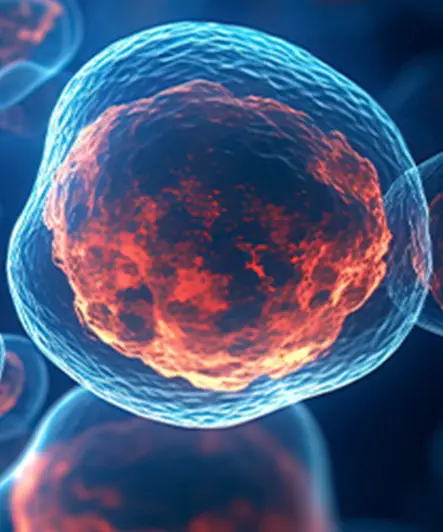
The exact cause of NHL is often unknown; however, it is believed that Non-Hodgkin lymphoma is caused by a change (mutation) in the DNA of lymphocytes. A mutation in DNA may lead to change in the instructions given to cells and these cells start multiplying uncontrollably. The abnormal lymphocytes start to accumulate in lymph nodes and spread within the body for example bone marrow, spleen, liver, skin, lungs, and stomach. Weakened immune system, certain infections, older age and family history are some of the risk factors that may increase the likelihood of developing NHL.
Symptoms
Some common symptoms of NHL: 5
- Swollen lymph nodes
- Fever and chills
- Night sweats
- Unexplained weight loss
- Fatigue
- Abdominal pain or swelling
- Itchy skin
- Chest pain or difficulty breathing
Diagnosing NHL involves a combination of physical exams, imaging studies (such as CT scans and PET scans), biopsies of affected lymph nodes or organs, and various laboratory tests. Once diagnosed, the treatment approach depends on the type, stage, and overall health of the patient.
There are various subtypes of NHL, which can be classified based on the type of lymphocyte involved (B-cells or T-cells) and other specific features. The most common types of high grade NHL are Diffuse Large B-cell Lymphoma (DLBCL), Burkitt Lymphoma and Peripheral T-cell Lymphoma. Rarer types of high grade NHL includes Lymphoblastic Lymphoma, Blastic NK cell Lymphoma etc
What are the Treatment Options for B-NHL ?
The treatment approach depends on the type, stage, and overall health of the patient
Chemotherapy
Chemotherapy are drugs used to stop the growth of cancer cells. It is achieved either by killing the cells or by stopping them from dividing. Chemotherapy can be taken orally or injected into a vein or muscle.
Radiation Therapy
Radiation therapy uses high-energy x-rays or other types of radiation to kill cancer cells, hence, limiting their growth. It may also be used to prepare the hematopoietic stem cell transplantation also
Hematopoietic stem cell transplantation
It is a treatment to replace the blood-forming cells. In certain cases, high-dose chemotherapy is followed by a stem cell transplant to help regenerate healthy blood cells
Targeted therapy
Targeted therapy are drugs which identify and attack specific cancer cells, sparing the healthy cells
Immunotherapy
Immunotherapy is a treatment that uses the patient’s immune system to fight cancer. This cancer treatment is a type of biologic therapy.
CAR T-Cell Therapy
Chimeric antigen receptor (CAR) T-cell therapy is a novel treatment to fight some cancers including B-NHL. It involves using your body’s own immune system to treat your cancer
Please talk to your doctor about the right treatment option for you or your loved one.
Know More About CAR-T Cell Therapy
CAR T-cell therapy is a novel treatment to fight some cancers. It involves using your body's own immune system to treat your cancer. CD-19 CAR T-cell therapy has been a standard of care for Relapsed / Refractory B Cell Non-Hodgkin Lymphoma in the West since 2017. Based on the recently published evidence, CD-19 targeted CAR T-cell therapy is now the preferred second line therapy for Relapsed / Refractory B Cell Non-Hodgkin Lymphoma.
Explore More
Have a Question?
Our experienced team is ready to provide you with the support and guidance you need to make informed decisions about personalized cell and gene therapies.
Contact usReferences
- NCCN Clinical Practice Guidelines in Oncology (NCCN Guidelines®) B-Cell Lymphomas. 2023; V 4.2023
- Leukemia & Lymphoma Society, https://www.lls.org/treatment/types-treatment/immunotherapy/chimeric-antigen-receptor-car-t-cell-therapy
- Side Effects of Cancer Treatment, National Cancer Institute, www.cancer.gov