About Qartemi

Qartemi (varnimcabtagene autoleucel) is a groundbreaking immunotherapy for Relapsed / Refractory B Cell Non-Hodgkin Lymphoma. It is an autologous second-generation CAR T-cell product. Qartemi consists of 4-1BB co-stimulatory domain and a non-FMC63 based murine single chain variable fragment targeting CD19 (A3B1 binder), manufactured in India by Immuneel Therapeutics.

Mechanism of Action

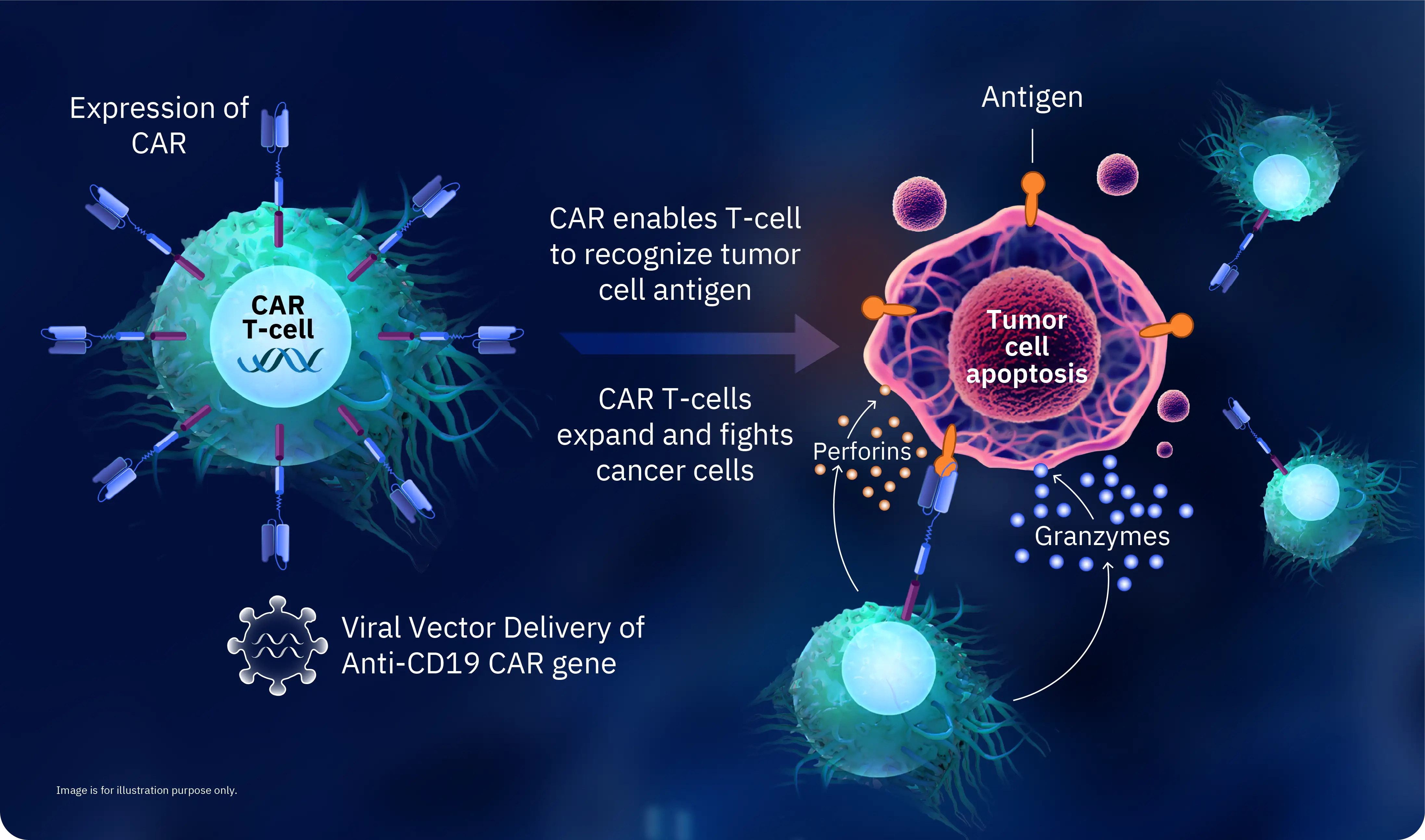
  • CAR T-cell therapy is a novel treatment to fight some cancers. It involves using body’s own immune system to treat your cancer. 

    The body has different types of blood cells, such as white blood cells. Lymphocytes are a part of white blood cells, which are an important part of your immune system that fights infections and cancers. These are broadly of two types – B-cells and T-cells. 

    T-cell lymphocytes are an integral part of your immune system and play an important role in fighting cancer. T-cells recognize abnormal cells, such as cancer cells, using proteins on their surface called receptors. They bind to proteins found on cancer cells and destroy them. Sometimes, cancer cells can survive by disguising themselves from being recognized by T-cells. 

    For CAR T-cell production, T-cells from your blood are collected through a process called Apheresis. Scientists in the laboratory then change the DNA of T-cells to make them produce a new type of receptor, called a Chimeric Antigen Receptor (CAR), they become CAR T-cells. These CAR T-cells are more efficient at binding to and removing cancer cells. They also send out signals that attract other immune cells and cause them to rapidly reproduce near the cancer cells. This increases the chance of eliminating cancer cells from the body. Thus, CAR T-cells can find and destroy cancer cells more effectively than ordinary T-cells. CD-19 CAR T-cell therapy has been a standard of care for Relapsed/Refractory B-cell Malignancies in the West since 2017. Based on the recently published evidence, CD-19 targeted CAR T-cell therapy is now the preferred second line therapy for some sub types of B-cell Malignancies.

Indications and Dosage

Indications

Relapsed / Refractory B Cell Non-Hodgkin lymphoma
(B-NHL) in patients aged greater than 18 years of age. Reference: QARTEMI Prescribing Information.

Dosage

One dose of QARTEMI contains 0.1 x 10⁶ to 5 x 10⁶ CAR-positive viable T cells per kg of body weight and is dispensed in three fractions – 10%, 30%, 60%, dispersed in three infusion bags of approximately 30 ml each.

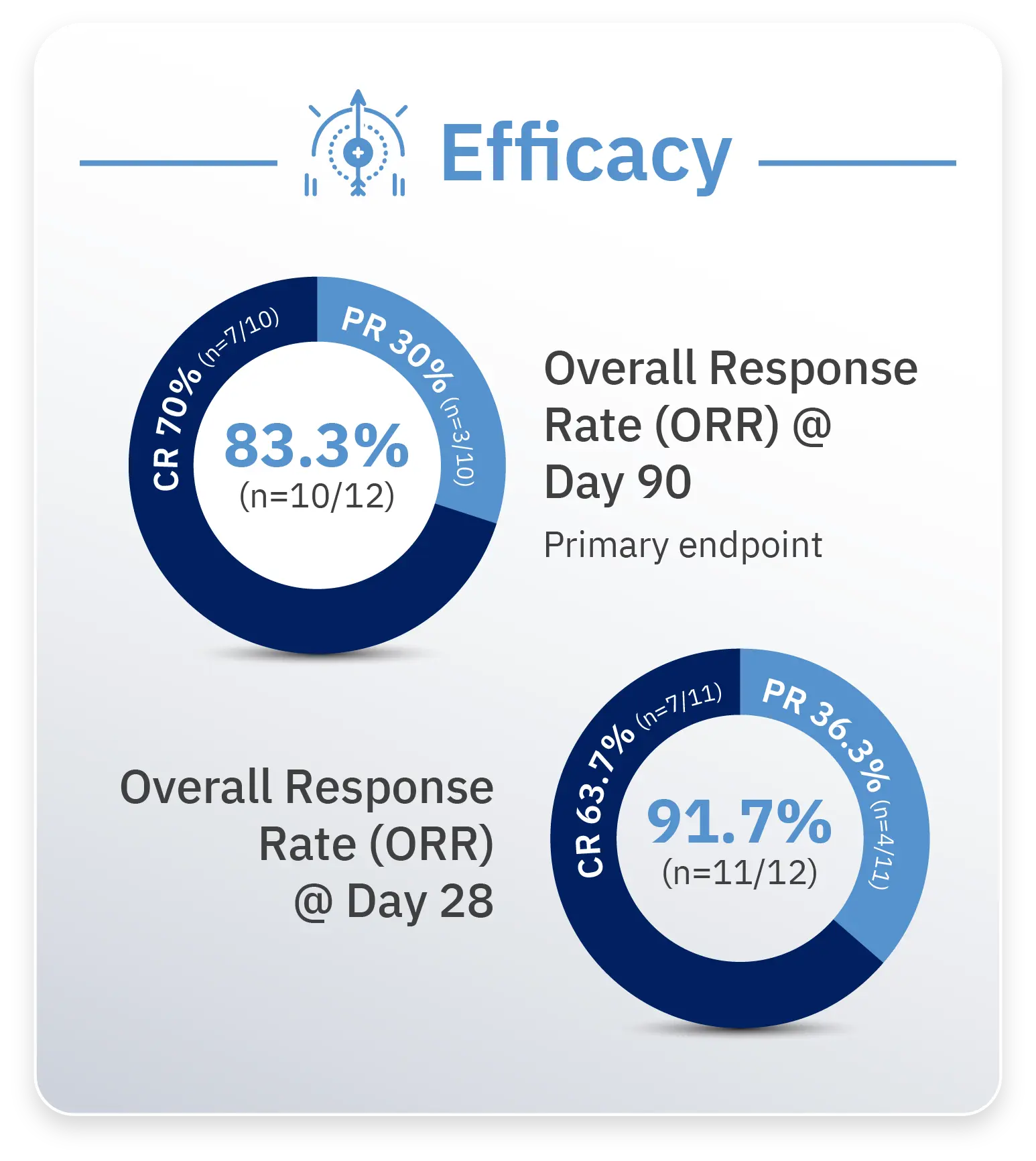
Efficacy

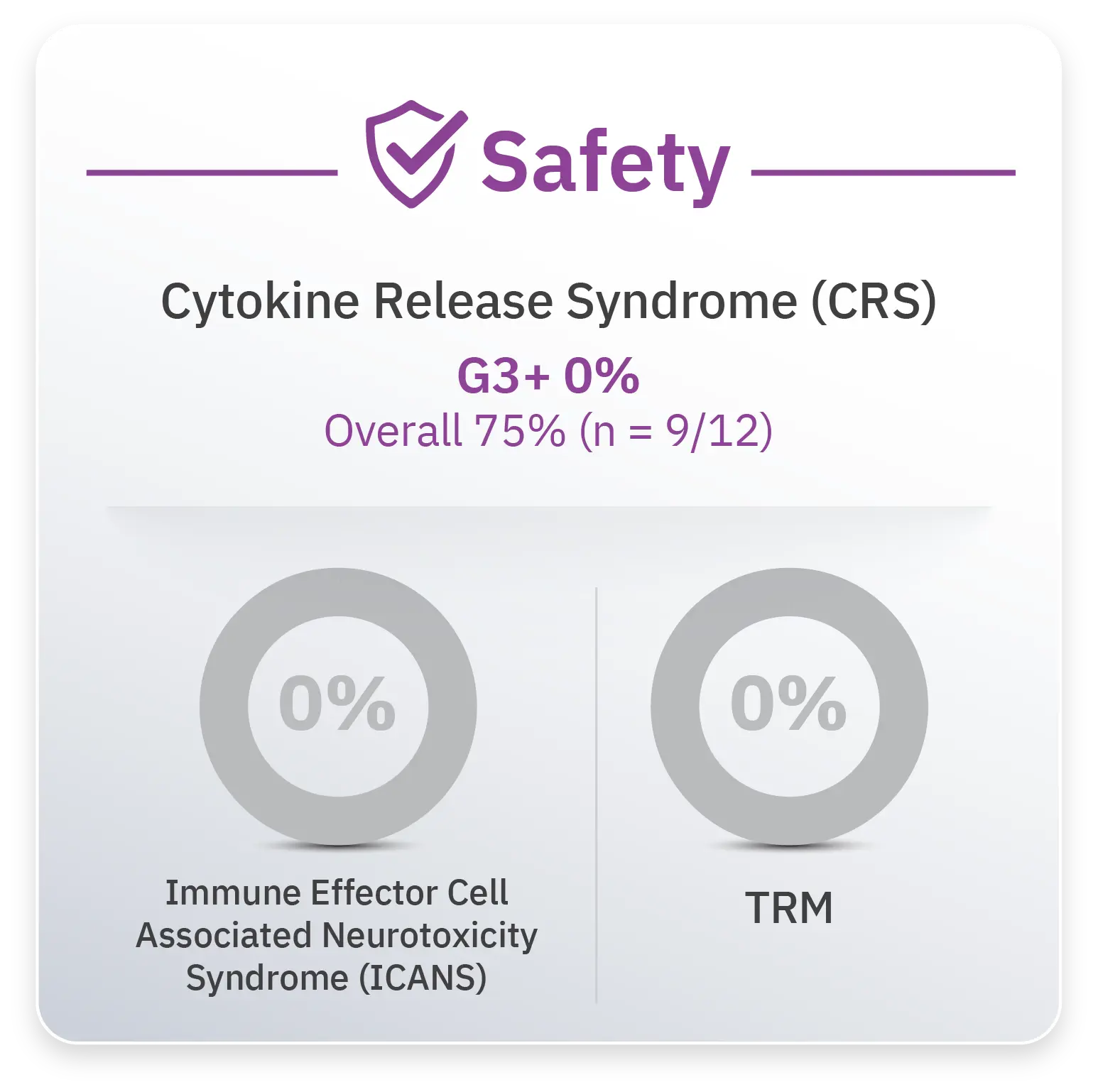
Safety

Have a Question?

Before reaching out for support, we recommend checking our Frequently Asked Questions (FAQ) section. It contains information and can help you find quick answers to common queries.

What is the most important information I should know about QARTEMI ™ ?

What is the most important information I should know about QARTEMI ™ ?


QARTEMI™ is an anti-CD19 directed genetically modified autologous Chimeric Antigen Receptor T [CAR-T] cells therapy for Relapsed / Refractory B Cell Non-Hodgkin Lymphoma in patients aged greater than 18 years of age.

IMPORTANT REMINDERS

For Patients

  • If you experience fever (100.4°F / 38°C or higher), chills / shaking chills, confusion, severe nausea, vomiting, diarrhea, severe muscle or joint pain, very low blood pressure, dizziness / lightheadedness, headache, please immediately notify your physician, your treating healthcare provider, or any healthcare provider available.
  • Do not treat any of these symptoms with over-the-counter medications or herbal / dietary supplements without the approval of your treating healthcare provider.

For Healthcare Providers

  • This patient has received a genetically modified autologous T-cell immunotherapy product that can lead to severe and even fatal cytokine release syndrome and neurologic adverse reactions. Cytokine release syndrome may involve any organ system.
  • WARNING: Cytokine Release Syndrome (CRS) and Immune Effector Cell Associated Neurotoxicity Syndrome (ICANS). See Qartemi Prescribing Information for details.
  • Assess the patient for signs and symptoms of cytokine release syndrome and neurologic adverse reactions (ICANS).

Please contact the patient’s treating physician in the following situations:

  • Before giving steroids or cytotoxic medications
  • If the patient has a serious infection
  • Before the patient undergoes an invasive procedure

Please read full QARTEMI Prescribing information

Download Prescribing Information

References

  1. QARTEMI Prescribing Information
  2. Leukemia & Lymphoma Society, https://www.lls.org/treatment/types-treatment/immunotherapy/chimeric-antigen-receptor-car-t-cell-therapy